
Shutter Rails Explained
21st March 2022
6 min read
21st March 2022
6 min read
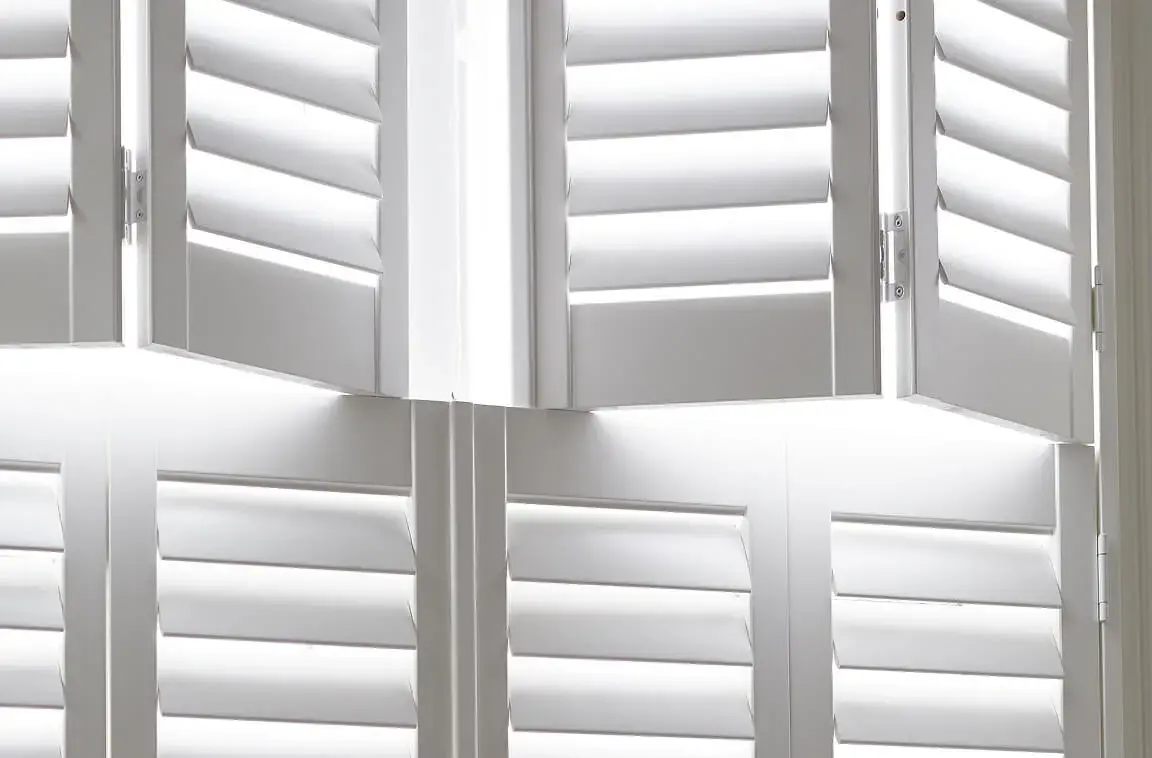
Shutter panels are built using a strong internal frame designed to provide stability, durability and long-lasting performance. Within this framework are the horizontal rails including the top rail, bottom rail and optional mid rail, each playing an important role in the strength, structure and overall design of your shutters.
In this guide, we’ll explore how these rails are specified, how they contribute to structural integrity, and why they are important when designing window shutters for your home.
Plantation shutters are made up of movable slats, also known as louvers, which tilt open and closed to control light and privacy. Each shutter panel is held together by vertical stiles on either side and solid horizontal rails at the top and bottom, which provide essential structural support.
Top and bottom rail sizes are determined at the factory’s discretion, based on panel height and your chosen slat size. These typically range between 3” and 5”. Smaller rails would compromise the strength and stability of the shutter, so deviations from recommended sizes are not advised.
These rails influence how your shutters function and how they are positioned within your window frame. They determine where the first moving slats begin, which can affect recess depth and the maximum slat size you can choose.
In some cases, the bottom rail may also help conceal handles or obstructions that could otherwise restrict full louvre rotation.
On shorter windows, it’s important to consider rail proportions carefully. Since there will always be a solid top and bottom rail, choosing a smaller slat size can help maximise the number of slats and create a more balanced appearance.
For example, an 18” shutter with 3” top and bottom rails leaves around 12” for slats, meaning the panel could include approximately 3 to 6 moving slats depending on slat size selection.
When ordering tier-on-tier shutters, ensure your window height is suitable so the central division does not visually overwhelm the glass area where the two tiers meet.

Mid rails are horizontal structural bars that divide a shutter panel into upper and lower sections, allowing the top and bottom louvers to operate independently.
This provides greater flexibility over light control and privacy, while also strengthening taller shutter panels.
Unlike full height shutters, a mid rail uses significantly less solid material while still providing separation within a single continuous panel.
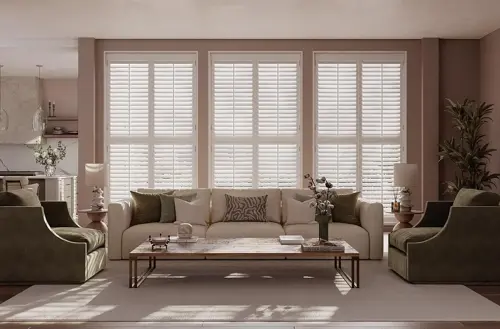
Mid rail placement is fully customisable. You can specify the height from the bottom of the shutter to the centre of the mid rail, allowing you to tailor it to your window and lifestyle needs.
Common positioning choices include:
Central placement for balanced light control.
Upper positioning to maintain privacy at the bottom while allowing light in above.
Alignment with window features or architectural breaks for a more seamless look.
While mid rails are optional for windows under 70” in height, they are typically required for taller windows to ensure added stability and structural integrity.
Final mid rail positions may be slightly adjusted by the factory to ensure alignment with slat spacing and overall visual balance.
Understanding shutter rails helps you make more informed design choices, ensuring your shutters not only look great but also perform effectively for years to come. If you still need help, our experts are just a message away. Whether you need help with design choices, measurements, or just want a second opinion, we're here for you. Don't forget, you can also book a free design review at checkout so a specialist can review your order before it goes into production.
As America's highest-rated window coverings company on Trustpilot, great service is at the heart of everything we do.
Contact us today, we'd love to help.